Linda: Less is More
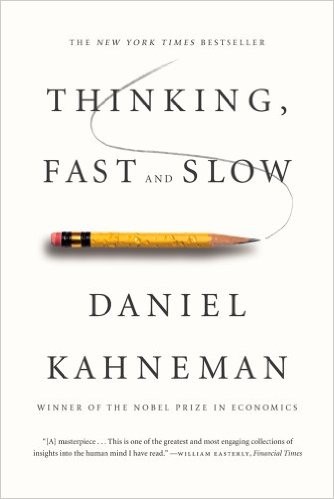
Chapter summary from Thinking, Fast and Slow by Daniel Kahneman.
Some judgments feel more plausible when they are more detailed. A richer story seems more “real,” even if it is logically less likely.
This is where the mind stumbles: it can prefer a conjunction (A and B) over a single component (A). Coherence and representativeness beat probability.
The fast system asks, “Which description fits best?” and answers with the most story-like option. The slow system must remember a dull rule: adding conditions can only reduce likelihood.
The trap is persuasive because it rewards imagination. The better the narrative, the higher the confidence.
To resist it, separate plausibility from probability. A description can feel right and still be statistically wrong. Logic is often less vivid than a good stereotype.
A 30-second summary — and that's the point. Read Stacks chapters are deliberately short. The full Thinking, Fast and Slow edition has the examples, the longer argument, and the moments worth re-reading. If this resonated, the Amazon link below buys the actual book and supports the author.
One chapter a week — curated, not algorithm-picked.
If this resonated, the free weekly Read Stacks email sends one curated 4-book stack with the chapter we'd open first. No spam, unsubscribe anytime.
Thinking, Fast and Slow is part of this curated reading path — each pairing it with 3 other books that sharpen the same idea:
From Read Stacks · Learn
If you just read a chapter summary…
You're using the navigation tool the way it was designed to be used. Two short essays on the meta-skill — what summaries actually preserve, and the six retention techniques that decide whether what you just read is still useful six months from now.
- Are book summaries actually useful, or am I just cheating?
Chapter summaries are a navigation tool, not a substitute. Used right, they help you read more books fully — by helping you avoid the wrong ones. Used wrong, they're a comfort blanket that lets you feel like you're reading without engaging with the material.
6 min read
- I read a lot of books but can't remember anything. What works?
Forgetting most of what you read is normal, not a personal failing — your brain wasn't designed to retain prose at the rate modern readers consume it. The practices that DO work share one thing: they force you to USE the material instead of just consuming it. Six specific techniques, each tested across decades.
7 min read