Read together, not just one at a time
A single non-fiction book is a single argument. Four books in the right order is a curriculum. Each stack below pairs 4 books that sharpen each other's ideas — with a written synthesis that ties the reading together.
The reason stacks exist: non-fiction readers tend to read books in isolation, finish two out of every five they buy, and forget most of what they read within six months. The stack format fixes both halves of that problem. Reading four books that share an underlying argument — habit science, persuasion psychology, decision-making, meaning — makes the ideas stick because each book reinforces the previous one. And the editorial synthesis at the end of each stack does the hard work of connecting the dots so you don't have to.
Each stack is hand-written, never machine-generated. The intro frames the problem the four books address. The per-book entries explain why that specific book is in that specific position. The synthesis at the end is the one Monday-morning move that comes out of reading all four. 5 stacks live, more added regularly.
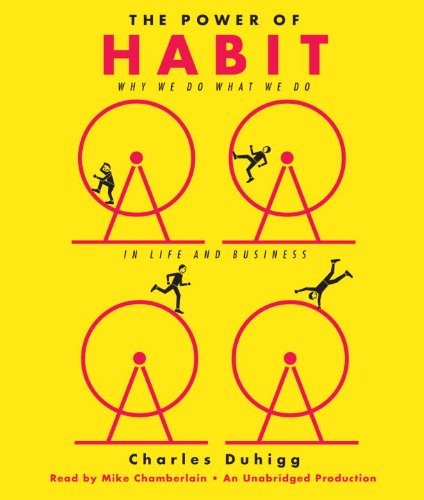
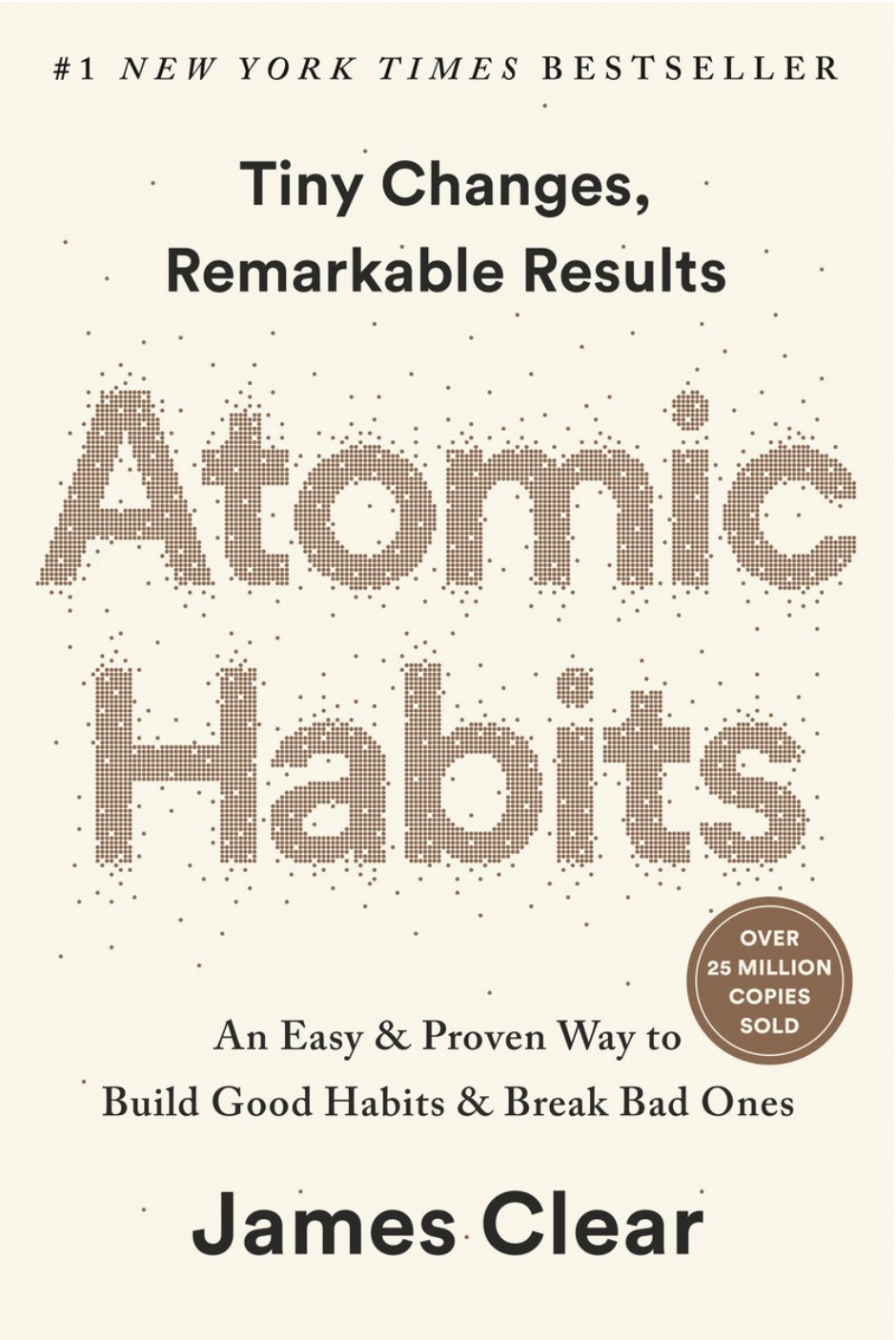
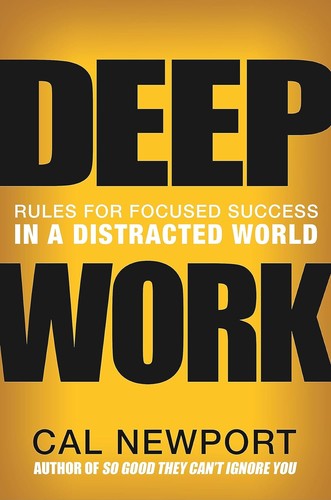
Build better habits
Five books on how behaviour actually changes — and what to do when motivation runs out.
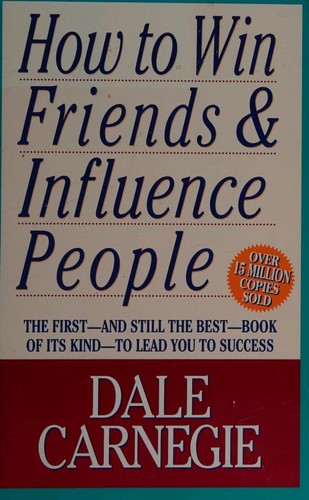
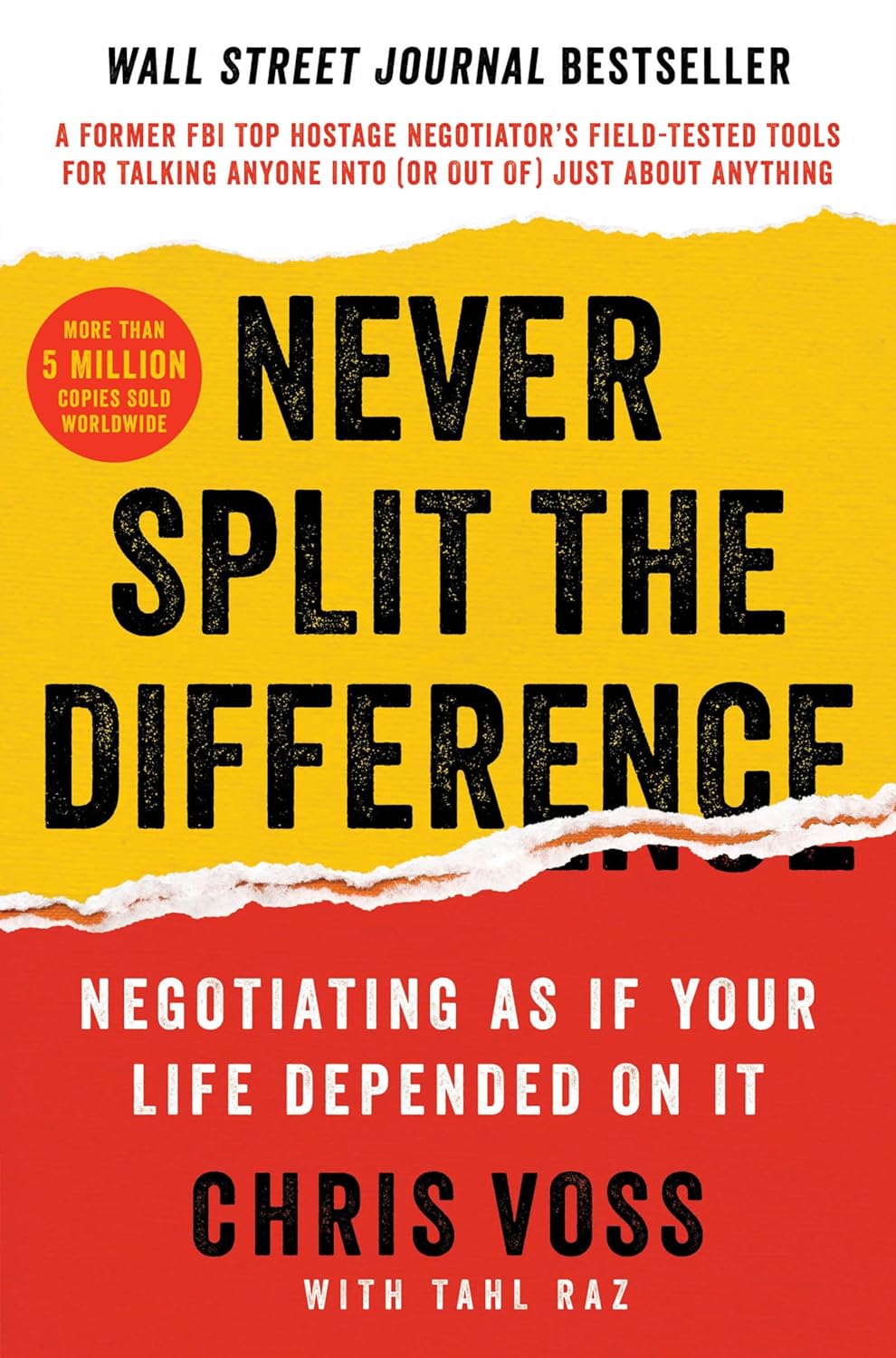
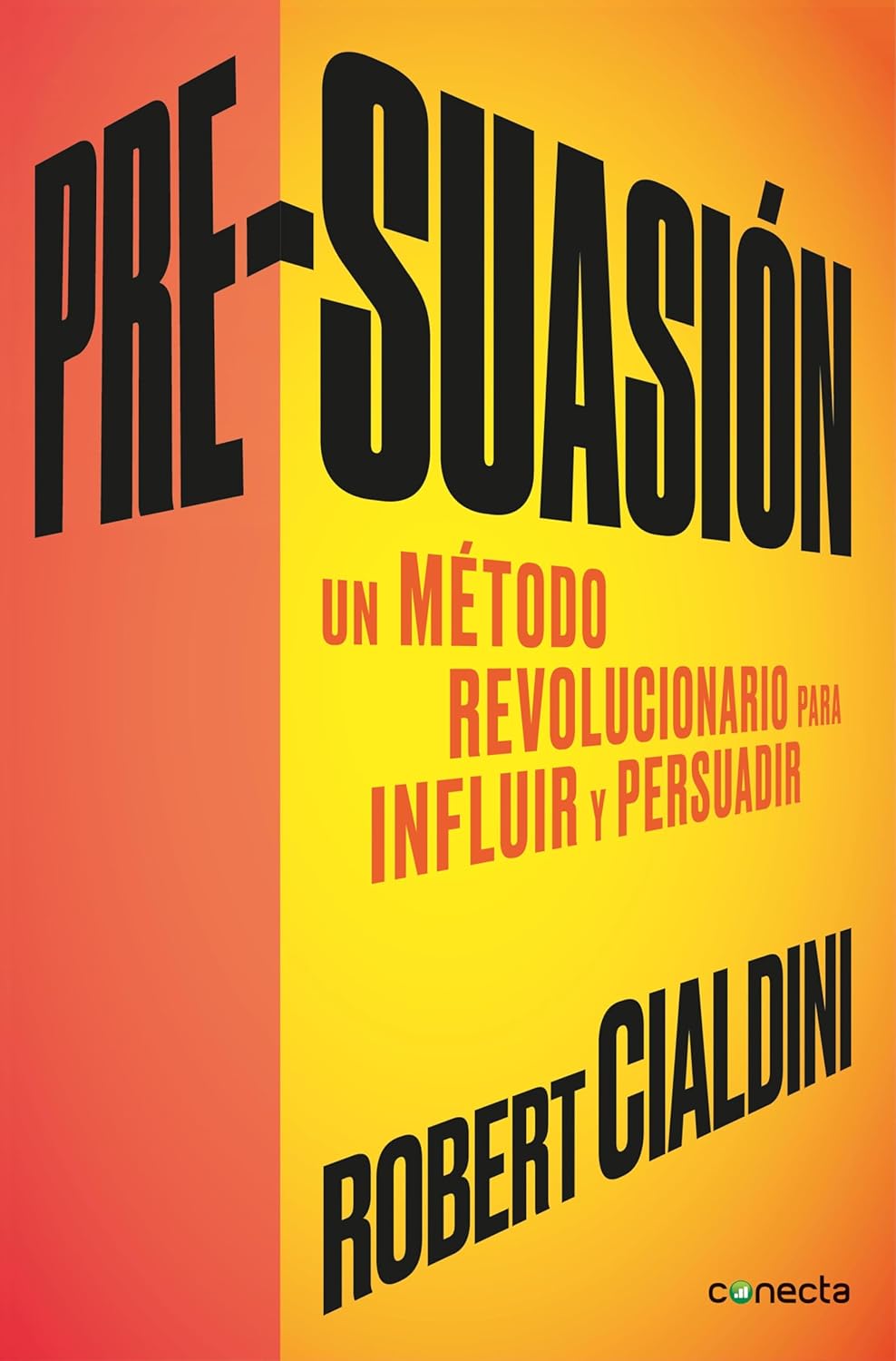
Influence with integrity
How to persuade without becoming a manipulator — five books on the science of moving people honestly.
Think clearly
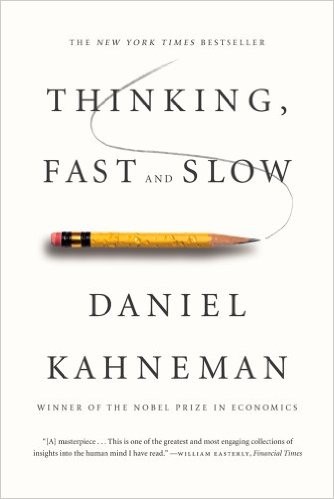
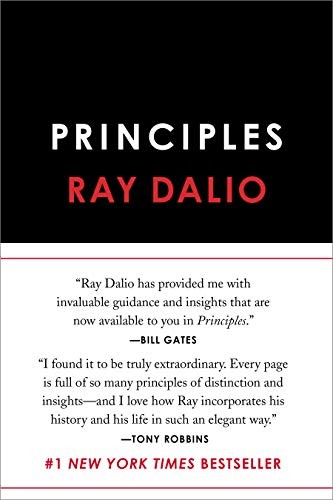
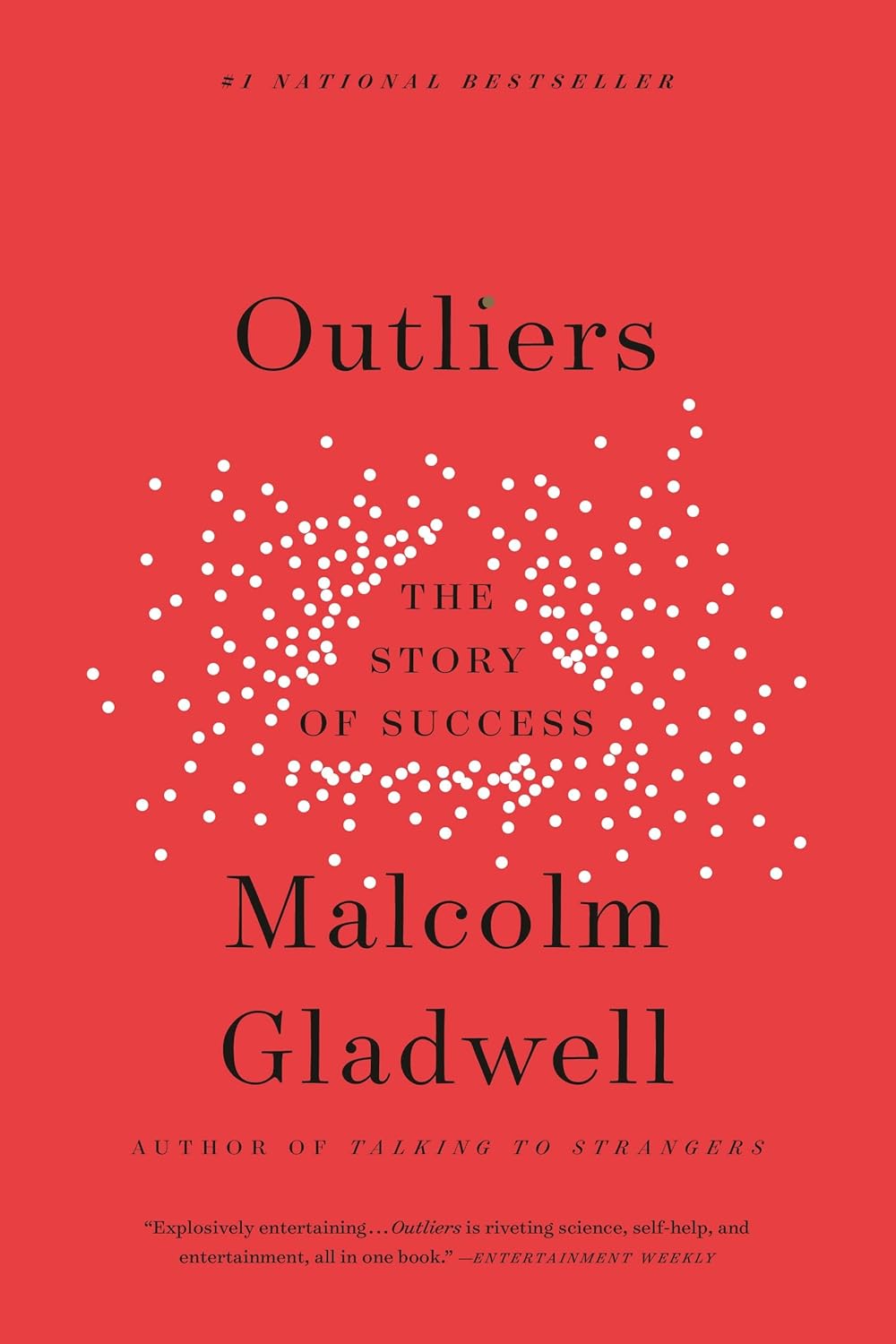
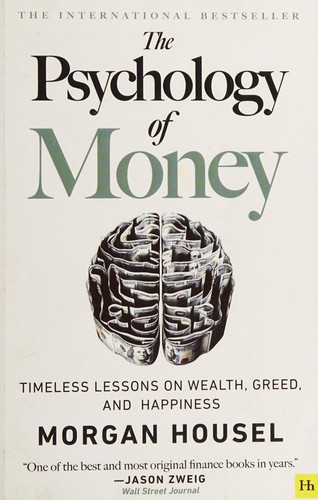
Five books on how minds actually decide — and how to override the wiring when it matters.
Find meaning
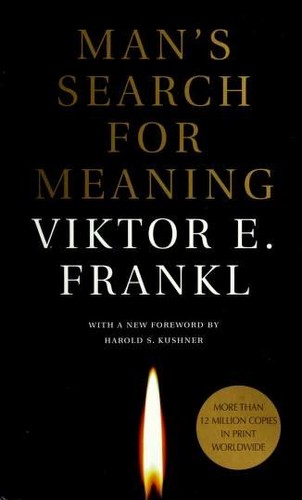
Five books on what makes a life feel like it counted — read in the order that builds the argument.
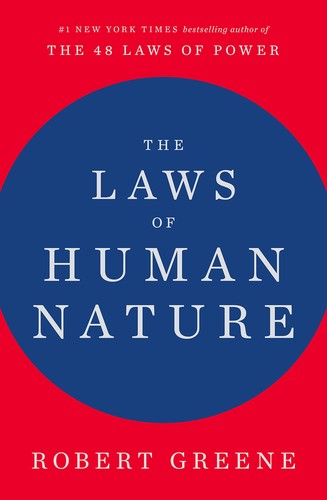
Master power dynamics
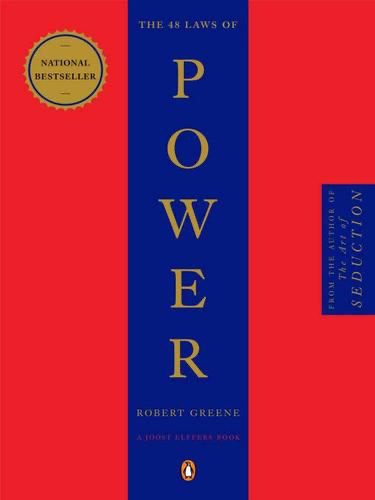
Five books on how power actually moves through groups — and how to keep your eyes open inside it.
What is a stack, actually?
The deep-dive explainer on what stacks are, why they work, and when they don't help
A stack is structurally different from a "best books on X" list — different enough that the cognitive mechanism for retention only works on stacks, not on lists. 1,280 words on what that mechanism is, why four books is the sweet spot, why order matters, and when a stack is the wrong tool.
New stacks ship as new four-book pairings prove out. The criterion is whether the four books genuinely share a framework, not whether they trend together. The free weekly email rotates through existing stacks and features new ones when they land — email service launches in the next couple of weeks, you'll be on the first send.