Master power dynamics
Five books on how power actually moves through groups — and how to keep your eyes open inside it.
Power dynamics exist in every team, every family, every meeting. Pretending they don't is the most reliable way to lose at them. This stack reads power without moralizing: not as something good or evil but as a force that operates by knowable rules. Sun Tzu gives the 2,500-year-old foundation: assess before acting, win without fighting when possible, treat information as the most decisive weapon. Robert Greene's twin books map the modern patterns. Cialdini grounds it in research; Voss brings it down to one-on-one negotiation. Read in order, the stack builds from ancient strategy through modern tactics — and the through-line is that you cannot defend against what you cannot see.
The reading order
Each step below is one book. Click through to its chapter summaries — or read straight through the stack from top to bottom.
- The Art of WarSun Tzu1Step 1 · 13 chapters · 9.5 min
The Art of War
by Sun Tzu
Sun Tzu's 5th-century-BC treatise is the foundational text underneath every more modern strategy book. The thirteen chapters move from assessment (five factors, seven questions) through tactics (deception, terrain, energy, weak-vs-strong) to intelligence as the most decisive weapon. The peak skill, Sun Tzu argues, is to win without fighting — by assessing so accurately and positioning so well that the contest is decided before contact. Read first, it sets the strategic frame the later books fill in.
Open the chapter summaries 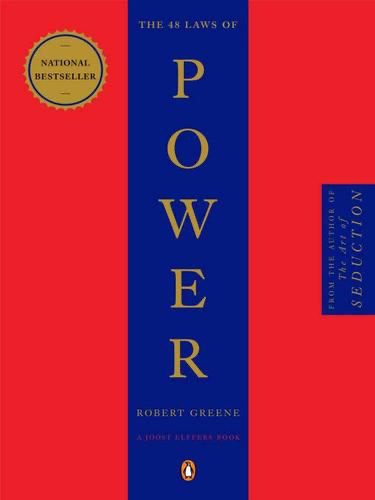 2Step 2 · 50 chapters · 27.5 min
The 48 Laws of Power
by Robert Greene
Greene's most-controversial book maps how power has actually operated through human institutions for millennia. Each 'law' is a pattern, sometimes ugly. The book's value is not as a how-to-manipulate but as a how-to-recognize. Read after Sun Tzu, it modernizes the ancient framework into specific historical patterns you'll see at work in any office, court, or group.
Open the chapter summaries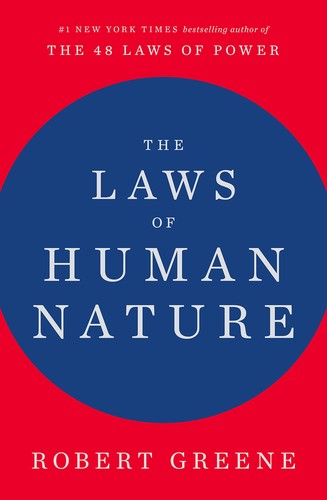 3Step 3 · 22 chapters · 9 min
The Laws of Human Nature
by Robert Greene
Greene's later, more humane book is the necessary corrective. Where 48 Laws maps surface tactics, Laws of Human Nature maps the psychology underneath — envy, narcissism, the masks people wear at work, the patterns of bad bosses and good ones. Read after 48 Laws, it transforms the strategic frame from cynical tactics manual into clinical observation of why people do what they do.
Open the chapter summaries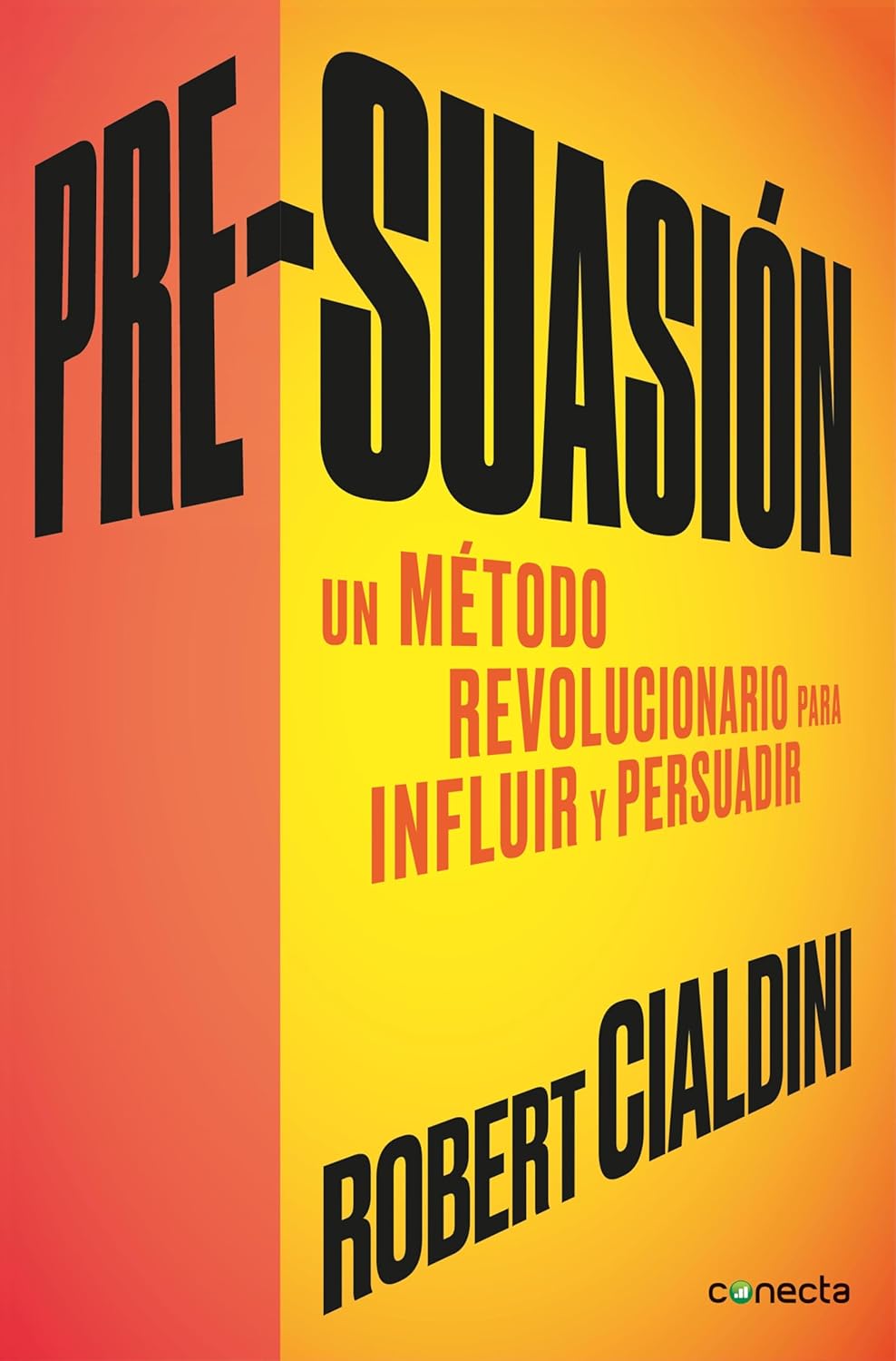 4Step 4 · 17 chapters · 8 min
Pre-Suasion
by Robert Cialdini
Robert Cialdini provides the research-backed precision instrument. Power moves through attention — what you direct attention to in the moments before a decision determines whether the decision lands the way you'd choose. Reading Cialdini after Greene grounds the strategy in lab-tested mechanics.
Open the chapter summaries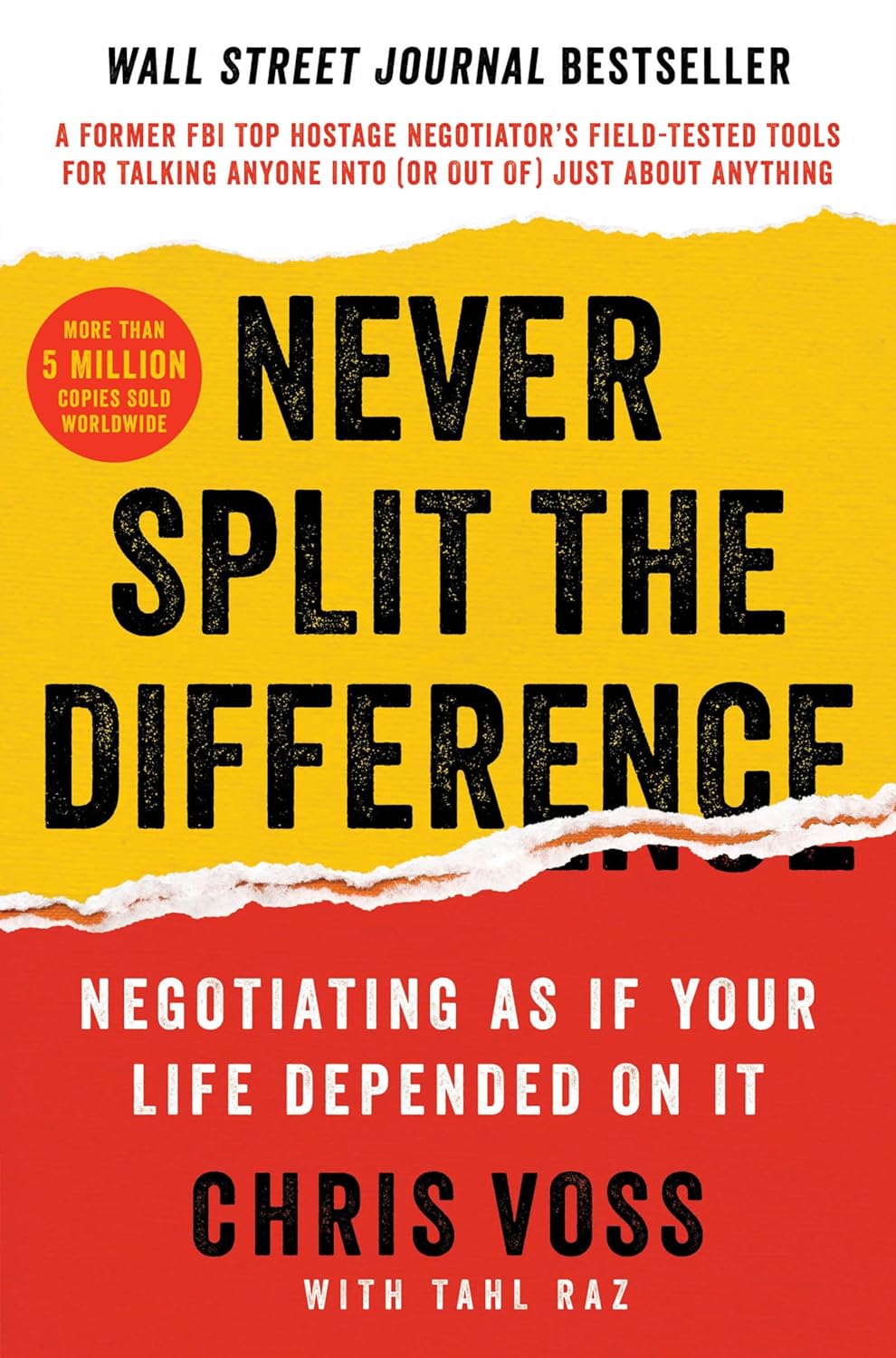 5Step 5 · 15 chapters · 8 min
Never Split the Difference
by Chris Voss
Chris Voss closes the stack at the one-on-one scale: the negotiation in the manager's office, the customer call that decides a deal, the difficult conversation with someone who has more leverage. Where Sun Tzu and Greene operate at the strategic level, Voss operates at the tactical — and everything you read above gets stress-tested in real conversations.
Open the chapter summaries
Stack synthesis
Read the stack and a single discipline emerges: power dynamics are most dangerous when invisible. Sun Tzu insists on assessment as the precondition of any move. Greene's twin books force you to look, even at the patterns you'd rather not name in yourself. Cialdini gives you the science that turns observation into prediction. Voss gives you the words that turn prediction into negotiated outcomes. The Monday-morning move from the whole stack: identify the three relationships where you currently lose ground because you don't see the dynamic clearly — a boss, a colleague, a customer, a family member. Name the pattern. Then practise Voss's tactical moves in low-stakes conversations until they become automatic for the moments that matter. The ancient discipline (Sun Tzu's assessment-before-contact) shows up again at the end of the stack: by the time the conversation begins, the strategist has already decided whether to engage, how, and from what position.
Adjacent stacks
From Read Stacks · Learn
Get the most out of a multi-book stack
A stack only works if the ideas stick across all the books in it. These two essays cover the retention practices and pile-management discipline that make a stack actually compound.
- I read a lot of books but can't remember anything. What works?
Forgetting most of what you read is normal, not a personal failing — your brain wasn't designed to retain prose at the rate modern readers consume it. The practices that DO work share one thing: they force you to USE the material instead of just consuming it. Six specific techniques, each tested across decades.
7 min read
- Why do I keep buying books I never finish?
Most non-fiction readers buy 5-15 books per year and finish 2-3. The pile is not laziness — it's a navigation failure. Four specific reasons the system fails and four specific fixes, including how to use curated reading stacks to avoid the bad-purchase loop.
5 min read
Want one curated stack a week in your inbox? Subscribe to the free weekly stack →