Here the tone becomes personal: not a set of universal rules, but a set of choices shaped by temperament. What feels safe. What feels worth it. What feels like unnecessary risk.
The point is not that everyone should copy one person’s strategy. The point is that a good strategy is one you can live with. One that helps you sleep. One that doesn’t require you to be brave every day.
The most effective “rule” is consistency with your own values. If you prioritize freedom, build toward it. If you prioritize security, protect it. If you prioritize simplicity, don’t complicate your life to chase someone else’s score.
A confession, at its best, is a reminder: the plan is not to impress strangers. The plan is to build a life you actually enjoy living.
POSTSCRIPT — **A Brief History of Why the U.S. Consumer Thinks the Way They Do**
Money beliefs don’t appear out of nowhere. They come from collective memory—booms, busts, wars, inflation, job security, housing, cultural expectations, and the stories a society tells about what “success” is supposed to look like.
When a generation is scarred by instability, it learns caution. When a generation grows up in expansion, it learns confidence. When credit is easy, spending feels normal. When opportunities feel scarce, risk feels necessary. These patterns get passed down, not as facts, but as instincts.
That’s why the same economy can produce wildly different behaviors. The numbers might be shared. The emotional interpretation is not.
And that brings the whole theme back into focus: money is never just money. It’s history, psychology, and identity—playing out in everyday decisions that look small until you add them up over a lifetime.
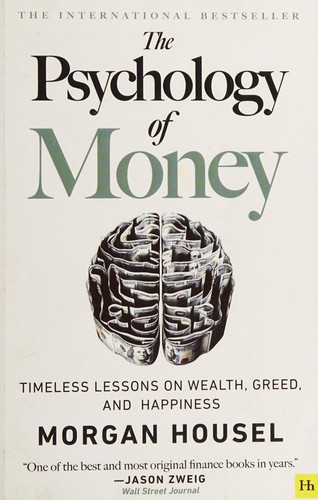
A 30-second summary — and that's the point. Read Stacks chapters are deliberately short. The full The Psychology of Money edition has the examples, the longer argument, and the moments worth re-reading. If this resonated, the Amazon link below buys the actual book and supports the author.
One chapter a week — curated, not algorithm-picked.
If this resonated, the free weekly Read Stacks email sends one curated 4-book stack with the chapter we'd open first. No spam, unsubscribe anytime.
The Psychology of Money is part of this curated reading path — each pairing it with 3 other books that sharpen the same idea:
From Read Stacks · Learn
If you just read a chapter summary…
You're using the navigation tool the way it was designed to be used. Two short essays on the meta-skill — what summaries actually preserve, and the six retention techniques that decide whether what you just read is still useful six months from now.
- Are book summaries actually useful, or am I just cheating?
Chapter summaries are a navigation tool, not a substitute. Used right, they help you read more books fully — by helping you avoid the wrong ones. Used wrong, they're a comfort blanket that lets you feel like you're reading without engaging with the material.
6 min read
- I read a lot of books but can't remember anything. What works?
Forgetting most of what you read is normal, not a personal failing — your brain wasn't designed to retain prose at the rate modern readers consume it. The practices that DO work share one thing: they force you to USE the material instead of just consuming it. Six specific techniques, each tested across decades.
7 min read