The world changes in ways that feel obvious only in retrospect. People build plans from the last decade, then act shocked when the next decade doesn’t behave the same.
Surprises are not anomalies; they’re the baseline. New technologies appear, markets evolve, policies shift, social norms flip, and what once felt impossible becomes normal. The future is not a straight extension of the past.
So the smartest posture is humility. You don’t need to predict every turn; you need to avoid building a life that breaks when a turn arrives. That means avoiding extreme certainty—extreme leverage, extreme spending, extreme narratives about “what will definitely happen.”
Surprise is also personal. Your own life will change: goals, tastes, relationships, energy, priorities. The plan that makes sense today may look absurd later.
If you want a strategy that endures, design it for a world that can shock you—because it will.
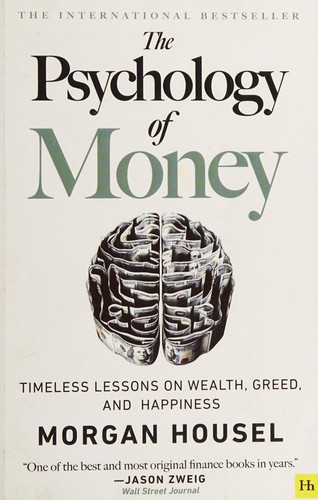
A 30-second summary — and that's the point. Read Stacks chapters are deliberately short. The full The Psychology of Money edition has the examples, the longer argument, and the moments worth re-reading. If this resonated, the Amazon link below buys the actual book and supports the author.
One chapter a week — curated, not algorithm-picked.
If this resonated, the free weekly Read Stacks email sends one curated 4-book stack with the chapter we'd open first. No spam, unsubscribe anytime.
The Psychology of Money is part of this curated reading path — each pairing it with 3 other books that sharpen the same idea:
From Read Stacks · Learn
If you just read a chapter summary…
You're using the navigation tool the way it was designed to be used. Two short essays on the meta-skill — what summaries actually preserve, and the six retention techniques that decide whether what you just read is still useful six months from now.
- Are book summaries actually useful, or am I just cheating?
Chapter summaries are a navigation tool, not a substitute. Used right, they help you read more books fully — by helping you avoid the wrong ones. Used wrong, they're a comfort blanket that lets you feel like you're reading without engaging with the material.
6 min read
- I read a lot of books but can't remember anything. What works?
Forgetting most of what you read is normal, not a personal failing — your brain wasn't designed to retain prose at the rate modern readers consume it. The practices that DO work share one thing: they force you to USE the material instead of just consuming it. Six specific techniques, each tested across decades.
7 min read