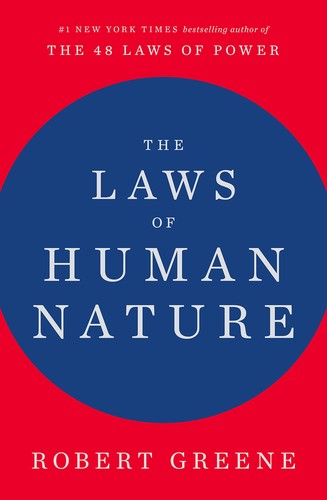
The Laws of Human Nature
Chapter summary from The Laws of Human Nature by Robert Greene.
People do irrational things, then explain them with neat stories that sound reasonable. You do it too. The trouble isn’t ignorance; it’s blindness to the forces that move you before thought arrives.
The first discipline is to stop taking behavior at face value—yours or anyone else’s. What you see is often a mask, a justification, a performance, a reaction to something older than the moment. Most of life’s friction comes from misreading these hidden motives, then acting as if your interpretation is fact.
The aim is not to become cold. It is to become lucid: calmer under provocation, sharper in observation, harder to manipulate, slower to condemn, quicker to understand. Once you accept that human nature runs on predictable patterns, you stop being surprised by the worst in people—and you become less surprised by the worst in yourself.
A 30-second summary — and that's the point. Read Stacks chapters are deliberately short. The full The Laws of Human Nature edition has the examples, the longer argument, and the moments worth re-reading. If this resonated, the Amazon link below buys the actual book and supports the author.
One chapter a week — curated, not algorithm-picked.
If this resonated, the free weekly Read Stacks email sends one curated 4-book stack with the chapter we'd open first. No spam, unsubscribe anytime.
The Laws of Human Nature appears in 2 curated reading paths — each pairing it with 3 other books that sharpen the same idea:
From Read Stacks · Learn
If you just read a chapter summary…
You're using the navigation tool the way it was designed to be used. Two short essays on the meta-skill — what summaries actually preserve, and the six retention techniques that decide whether what you just read is still useful six months from now.
- Are book summaries actually useful, or am I just cheating?
Chapter summaries are a navigation tool, not a substitute. Used right, they help you read more books fully — by helping you avoid the wrong ones. Used wrong, they're a comfort blanket that lets you feel like you're reading without engaging with the material.
6 min read
- I read a lot of books but can't remember anything. What works?
Forgetting most of what you read is normal, not a personal failing — your brain wasn't designed to retain prose at the rate modern readers consume it. The practices that DO work share one thing: they force you to USE the material instead of just consuming it. Six specific techniques, each tested across decades.
7 min read