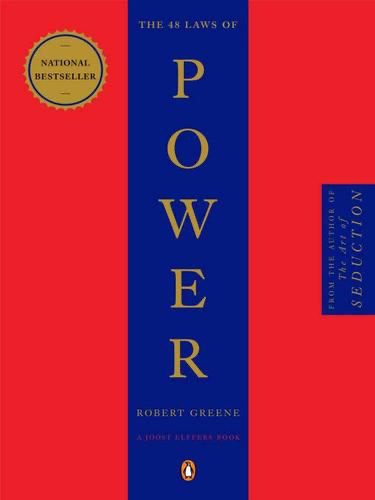
LAW 39: STIR UP WATERS TO CATCH FISH
Chapter summary from The 48 Laws of Power by Robert Greene.
A calm opponent thinks clearly. If you want advantage, raise their temperature while keeping yours low.
Stir the waters with a provocation: a small insult, a public comparison, a hinted doubt. Emotion makes people predictable. They overcommit, reveal motives, and miss details. Their attention narrows to the insult, not the field.
Step back and watch. While they argue, you act. While they rush, you set traps. Never get drunk on the chaos you created. Stay cold, because cold minds see openings.
The point is controlled turbulence. You make them noisy and sloppy while you remain quiet and precise. In muddy water, the fish come closer because they cannot see. You choose when to strike.
This tactic is dangerous if you let your own emotions rise. Then you become part of the storm and lose control. But if you can provoke without reacting, you control tempo and direction. The room follows the heat. Make sure the heat is not yours.
A 30-second summary — and that's the point. Read Stacks chapters are deliberately short. The full The 48 Laws of Power edition has the examples, the longer argument, and the moments worth re-reading. If this resonated, the Amazon link below buys the actual book and supports the author.
One chapter a week — curated, not algorithm-picked.
If this resonated, the free weekly Read Stacks email sends one curated 4-book stack with the chapter we'd open first. No spam, unsubscribe anytime.
The 48 Laws of Power is part of this curated reading path — each pairing it with 3 other books that sharpen the same idea:
From Read Stacks · Learn
If you just read a chapter summary…
You're using the navigation tool the way it was designed to be used. Two short essays on the meta-skill — what summaries actually preserve, and the six retention techniques that decide whether what you just read is still useful six months from now.
- Are book summaries actually useful, or am I just cheating?
Chapter summaries are a navigation tool, not a substitute. Used right, they help you read more books fully — by helping you avoid the wrong ones. Used wrong, they're a comfort blanket that lets you feel like you're reading without engaging with the material.
6 min read
- I read a lot of books but can't remember anything. What works?
Forgetting most of what you read is normal, not a personal failing — your brain wasn't designed to retain prose at the rate modern readers consume it. The practices that DO work share one thing: they force you to USE the material instead of just consuming it. Six specific techniques, each tested across decades.
7 min read