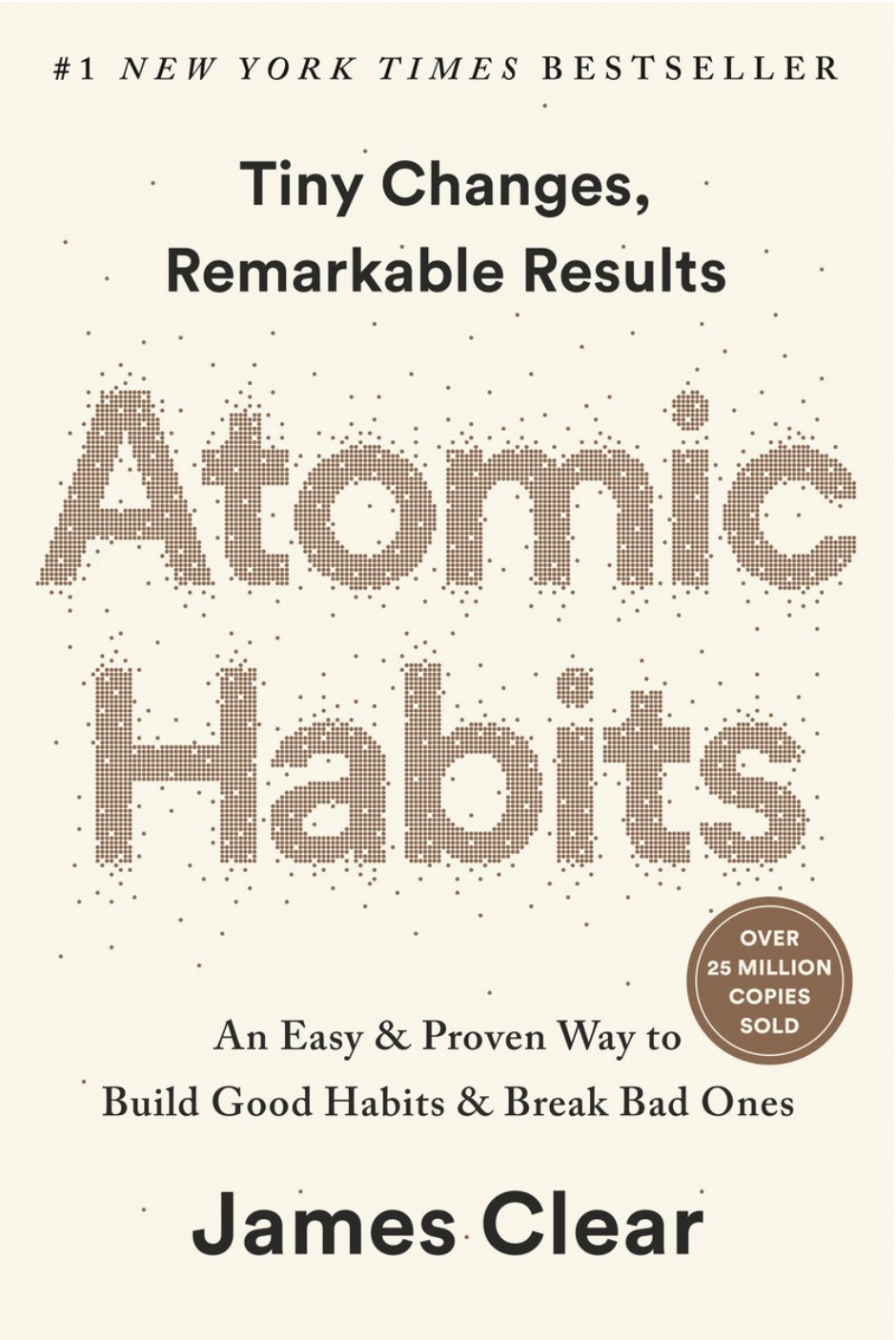
How to Stick with Good Habits Every Day
Chapter summary from Atomic Habits by James Clear.
Consistency isn’t perfection; it’s recovery speed. Missing once is an event. Missing twice is the start of a new habit.
Expect disruption: travel, sickness, deadlines, low energy. Your system should include a plan for bad days. When you fall off, return to the smallest version immediately. One page. One walk. Two minutes. You’re protecting the identity of someone who comes back.
Tracking helps here, not as judgment, but as awareness. It shows patterns: which days break you, which triggers derail you, which environments help you. Use the data to adjust the system, not to shame the person.
The rule is simple: never miss twice. The first miss should create friction that pushes you back, not a story that you “failed.” What matters is the trend line. You build trust with yourself by keeping promises small and frequent, then expanding them when they’re stable.
A 30-second summary — and that's the point. Read Stacks chapters are deliberately short. The full Atomic Habits edition has the examples, the longer argument, and the moments worth re-reading. If this resonated, the Amazon link below buys the actual book and supports the author.
One chapter a week — curated, not algorithm-picked.
If this resonated, the free weekly Read Stacks email sends one curated 4-book stack with the chapter we'd open first. No spam, unsubscribe anytime.
Atomic Habits is part of this curated reading path — each pairing it with 3 other books that sharpen the same idea:
From Read Stacks · Learn
If you just read a chapter summary…
You're using the navigation tool the way it was designed to be used. Two short essays on the meta-skill — what summaries actually preserve, and the six retention techniques that decide whether what you just read is still useful six months from now.
- Are book summaries actually useful, or am I just cheating?
Chapter summaries are a navigation tool, not a substitute. Used right, they help you read more books fully — by helping you avoid the wrong ones. Used wrong, they're a comfort blanket that lets you feel like you're reading without engaging with the material.
6 min read
- I read a lot of books but can't remember anything. What works?
Forgetting most of what you read is normal, not a personal failing — your brain wasn't designed to retain prose at the rate modern readers consume it. The practices that DO work share one thing: they force you to USE the material instead of just consuming it. Six specific techniques, each tested across decades.
7 min read